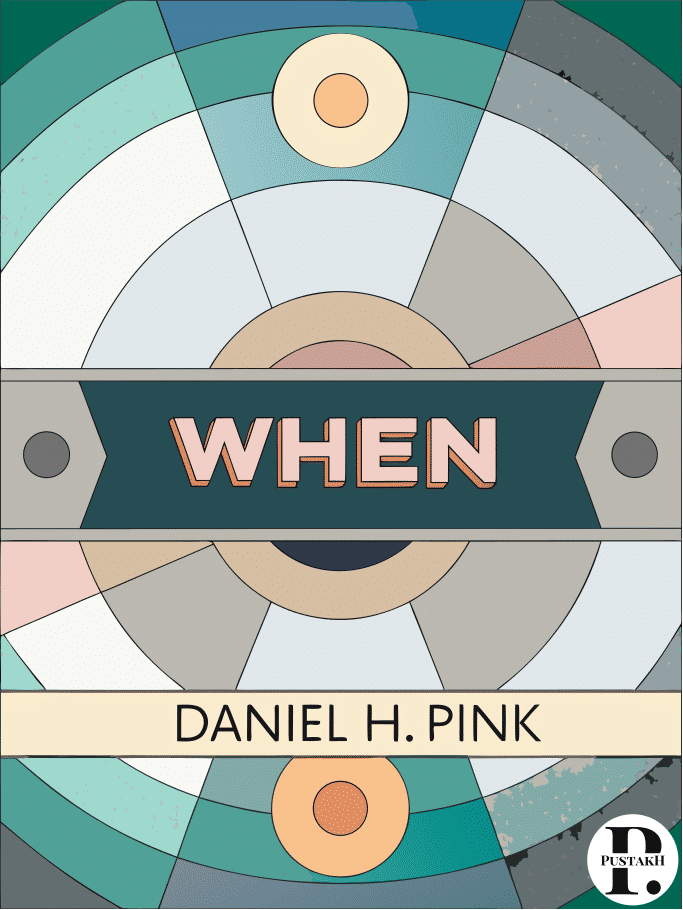
When
by Daniel H. Pink
The Scientific Secrets of Perfect Timing
7
Chapters
56+
Action steps
10
Minutes
PERSONALIZED
Action steps tailored to your goals in the Pustakh app
Preview — Chapter 01: Chronotypes
Some people feel sharp and energized early in the day. Others come alive later, thinking more clearly as the hours pass. For years, these differences have been treated as preferences or personality quirks. In reality, they are rooted in biology. Chronotypes describe individual patterns of alertness and energy across the day. They influence when focus peaks, when fatigue sets in, and when creativity feels accessible. There is no universal best time to work. Problems arise when schedules ignore these differences. Early risers are often rewarded. Late starters are often judged. This mismatch creates unnecessary friction. People end up working against their own energy instead of with it. Understanding chronotypes removes a layer of shame. Difficulty concentrating at certain times is not laziness. It is physiology. When energy dips are expected, they stop feeling personal. Awareness allows for adjustment. Important tasks can be scheduled during natural high points. Routine work can fill slower periods. Even small changes can improve clarity and reduce frustration. Chronotypes also explain why advice can feel inconsistent. What works brilliantly for one person may fail for another. Timing advice only works when it respects individual rhythms. When people begin honoring their chronotype, work feels less like resistance and more like flow. Energy stops being something to wrestle and becomes something to coordinate. The result is not just better output, but a kinder relationship with oneself.
Keep reading on PustakhYou've read the opening. Here's where it gets practical.
The remaining 6 chapters, the full audio summary, and 56+ action steps personalized to your goals unlock with a free 3-day trial.
Start free 3-day trialNo credit card required · Cancel anytime
When summary — FAQ
What will I get from the When summary on Pustakh?
The key ideas of "When" by Daniel H. Pink, distilled into a roughly 15-minute read across 7 chapters, plus 56+ personalized action steps built around your goals and an optional audio version.
How long does the When summary take?
About 10 minutes to read the full summary on Pustakh, or you can listen to the audio version.
Does When have an audio summary?
Select Pustakh titles include audio summaries you can play in your browser, and new audio titles are added every week.
Is the When summary free?
You can read the introduction to "When" for free. Full access to every chapter and your personalized action steps is included with a Pustakh subscription. New accounts start with a free 3-day trial — no credit card required.
More Productivity & Time Management summaries
View all




56+ action steps from When, tailored to your goals in Pustakh
- Tailored to your context and what you are working on
- Personalized steps per chapter, not generic checklists
- Read and listen on your schedule—then act with clarity
- Unlock the full library with a simple subscription
We'll set it up as we learn what you're working on.