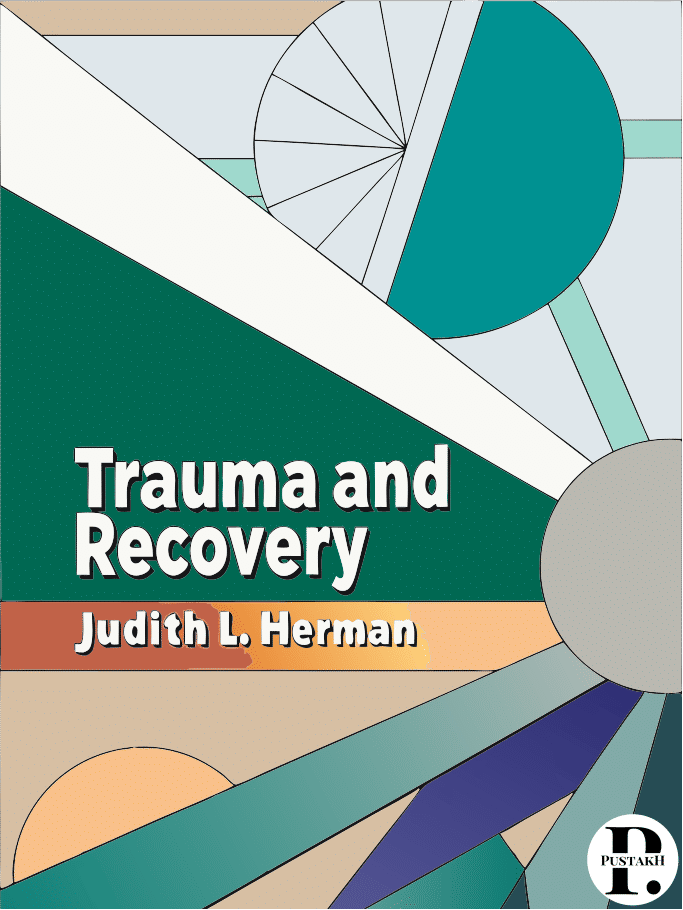
Trauma and Recovery
by Judith L. Herman
The Aftermath of Violence - From Domestic Abuse to Political Terror
10
Chapters
83+
Action steps
25
Minutes
PERSONALIZED
Action steps tailored to your goals in the Pustakh app
Preview — Chapter 01: A Forgotten History
Trauma has been overlooked and misunderstood for generations. Society has repeatedly ignored, denied, and forgotten the realities of trauma - particularly when it affects marginalized groups such as women and the oppressed. Although trauma has existed throughout history, its impact on survivors has been dismissed, minimized, or misinterpreted. The history of understanding trauma can be traced through three distinct periods: The Recognition of Hysteria: In the 19th century, pioneering work by French neurologist Jean-Martin Charcot and his student Pierre Janet uncovered the psychological roots of hysteria, a condition affecting women who had experienced abuse. However, as the women’s testimonies exposed uncomfortable truths about male violence, the connection between trauma and mental health was suppressed, and hysteria was dismissed as a sign of female weakness. The Study of Shell Shock: During World War I, thousands of soldiers returned home with severe psychological disturbances, later diagnosed as “shell shock.” Despite initial acknowledgment, these symptoms were viewed as a failure of masculinity, leading to stigma and inadequate treatment. Once the war ended, society once again turned away from understanding trauma, leaving veterans to suffer in silence. The Women’s Movement and the Rediscovery of Trauma: In the 1970s, the feminist movement reignited public awareness of trauma by bringing attention to the prevalence of domestic violence, rape, and child abuse. Survivors shared their stories, challenging societal norms and demanding that the psychological impact of violence be acknowledged. This period marked the beginning of a broader understanding of trauma and the need for compassionate and effective support. Society’s pattern of recognizing trauma only to later suppress it reflects a deep discomfort with confronting the realities of violence and abuse. Until society fully acknowledges the profound impact of trauma, survivors will continue to be marginalized and left without adequate support.
Keep reading on PustakhYou've read the opening. Here's where it gets practical.
The remaining 9 chapters, the full audio summary, and 83+ action steps personalized to your goals unlock with a free 3-day trial.
Start free 3-day trialNo credit card required · Cancel anytime
Trauma and Recovery summary — FAQ
What will I get from the Trauma and Recovery summary on Pustakh?
The key ideas of "Trauma and Recovery" by Judith L. Herman, distilled into a roughly 15-minute read across 10 chapters, plus 83+ personalized action steps built around your goals and an optional audio version.
How long does the Trauma and Recovery summary take?
About 25 minutes to read the full summary on Pustakh, or you can listen to the audio version.
Does Trauma and Recovery have an audio summary?
Select Pustakh titles include audio summaries you can play in your browser, and new audio titles are added every week.
Is the Trauma and Recovery summary free?
You can read the introduction to "Trauma and Recovery" for free. Full access to every chapter and your personalized action steps is included with a Pustakh subscription. New accounts start with a free 3-day trial — no credit card required.
More Healing & Recovery summaries
View all
Adult Children of Emotionally Immature Parents
by Lindsay C. Gibson

Are You Mad At Me?
by Meg Josephson
Broken Heart, Shared Heart, Healing Heart
by Barbara Allen

Can't Even
by Anne Helen Petersen
Codependent No More
by Melody Beattie
Cured
by Jeffrey Rediger
83+ action steps from Trauma and Recovery, tailored to your goals in Pustakh
- Tailored to your context and what you are working on
- Personalized steps per chapter, not generic checklists
- Read and listen on your schedule—then act with clarity
- Unlock the full library with a simple subscription
We'll set it up as we learn what you're working on.