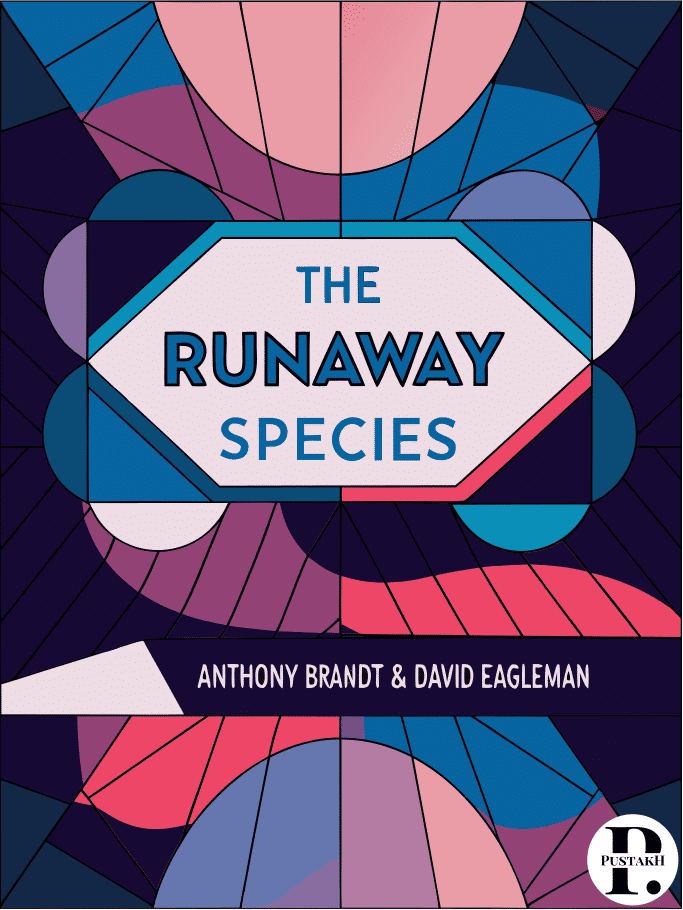
The Runaway Species
by Anthony Brandt & David Eagleman
How Human Creativity Remakes the World
13
Chapters
99+
Action steps
17
Minutes
PERSONALIZED
Action steps tailored to your goals in the Pustakh app
Preview — Chapter 01: To innovate is human
The exploration of human innovation begins with a simple truth: people are naturally driven to refine and reconfigure the world around them. This instinct shows up in countless subtle ways, from adjusting morning routines to troubleshooting workplace challenges. What feels like problem-solving or everyday decision-making is often creativity in disguise. There’s a natural comfort in improving what’s familiar while still leaving room for the excitement of novelty. This balance between the known and the new becomes a quiet engine of progress. Innovation is an ongoing rhythm rather than a rare moment of inspiration. Once you recognize that creativity flows continuously, your habits and observations begin to look different. You notice that people aren’t simply repeating patterns - they’re tinkering with them. A musician shifts a rhythm. A designer tweaks a layout. A manager restructures a workflow. These adjustments may seem minor, yet they often create surprisingly powerful improvements. You begin to appreciate how small changes can reshape entire systems over time. This awareness dissolves the intimidation surrounding creativity and replaces it with a sense of possibility. The idea of constraints also gains new meaning. Many people assume creativity thrives only in total freedom, yet limitations often inspire the most inventive thinking. When time, resources, or tools are restricted, the mind becomes sharper, more alert, and more willing to explore unconventional angles. Restrictions act like creative accelerators. They push you to break habitual patterns and attempt combinations that would otherwise feel unnecessary. This redefines challenges - not as obstacles, but as fuel. As the ideas unfold, innovation starts to feel far more personal. You begin to see how your own choices already contain creative impulses. The more aware you become of this natural rhythm, the more confidence you develop in your ability to generate ideas. You shift from waiting for a breakthrough to actively shaping possibilities. That shift in identity makes creativity feel like a companion rather than an occasional visitor.
Keep reading on PustakhYou've read the opening. Here's where it gets practical.
The remaining 12 chapters, the full audio summary, and 99+ action steps personalized to your goals unlock with a free 3-day trial.
Start free 3-day trialNo credit card required · Cancel anytime
The Runaway Species summary — FAQ
What will I get from the The Runaway Species summary on Pustakh?
The key ideas of "The Runaway Species" by Anthony Brandt & David Eagleman, distilled into a roughly 15-minute read across 13 chapters, plus 99+ personalized action steps built around your goals and an optional audio version.
How long does the The Runaway Species summary take?
About 17 minutes to read the full summary on Pustakh, or you can listen to the audio version.
Does The Runaway Species have an audio summary?
Select Pustakh titles include audio summaries you can play in your browser, and new audio titles are added every week.
Is the The Runaway Species summary free?
You can read the introduction to "The Runaway Species" for free. Full access to every chapter and your personalized action steps is included with a Pustakh subscription. New accounts start with a free 3-day trial — no credit card required.
More Creativity & Innovation summaries
View all


99+ action steps from The Runaway Species, tailored to your goals in Pustakh
- Tailored to your context and what you are working on
- Personalized steps per chapter, not generic checklists
- Read and listen on your schedule—then act with clarity
- Unlock the full library with a simple subscription
We'll set it up as we learn what you're working on.