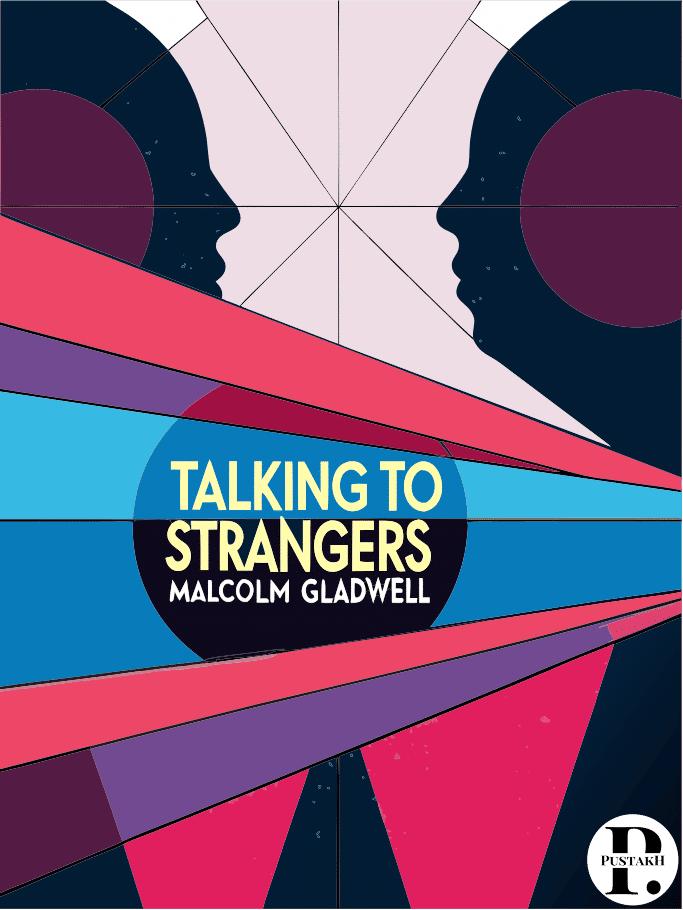
Talking to Strangers
by Malcolm Gladwell
What We Should Know about the People We Don’t Know
12
Chapters
89+
Action steps
14
Minutes
PERSONALIZED
Action steps tailored to your goals in the Pustakh app
Preview — Chapter 01: Fidel Castro’s Revenge
For decades, Cuba successfully ran double agents who fooled some of the most sophisticated intelligence agencies in the world. Skilled professionals with access to technology and training still failed to see deception unfolding right under their noses. The lesson is humbling: our instinct to trust others is both our greatest social strength and our most glaring vulnerability. Analysts believed what they were told because the stories seemed consistent and the behaviors seemed plausible. They discounted contradictions until they became undeniable. This wasn’t incompetence; it was human psychology at work. To function in daily life, we rely on trust as the default, otherwise society would grind to a halt. Yet that very default makes us blind to liars who know how to exploit it. Trust is efficient but dangerous in the wrong context. The takeaway here is not to eliminate trust but to recognize when the stakes demand extra scrutiny. In areas like espionage, finance, or law enforcement, structures must be built to question narratives earlier and more thoroughly. Without safeguards, even seasoned experts are just as susceptible as ordinary people to being duped by strangers.
Keep reading on PustakhYou've read the opening. Here's where it gets practical.
The remaining 11 chapters, the full audio summary, and 89+ action steps personalized to your goals unlock with a free 3-day trial.
Start free 3-day trialNo credit card required · Cancel anytime
Talking to Strangers summary — FAQ
What will I get from the Talking to Strangers summary on Pustakh?
The key ideas of "Talking to Strangers" by Malcolm Gladwell, distilled into a roughly 15-minute read across 12 chapters, plus 89+ personalized action steps built around your goals and an optional audio version.
How long does the Talking to Strangers summary take?
About 14 minutes to read the full summary on Pustakh, or you can listen to the audio version.
Does Talking to Strangers have an audio summary?
Select Pustakh titles include audio summaries you can play in your browser, and new audio titles are added every week.
Is the Talking to Strangers summary free?
You can read the introduction to "Talking to Strangers" for free. Full access to every chapter and your personalized action steps is included with a Pustakh subscription. New accounts start with a free 3-day trial — no credit card required.
More Mindset & Psychology summaries
View all



89+ action steps from Talking to Strangers, tailored to your goals in Pustakh
- Tailored to your context and what you are working on
- Personalized steps per chapter, not generic checklists
- Read and listen on your schedule—then act with clarity
- Unlock the full library with a simple subscription
We'll set it up as we learn what you're working on.