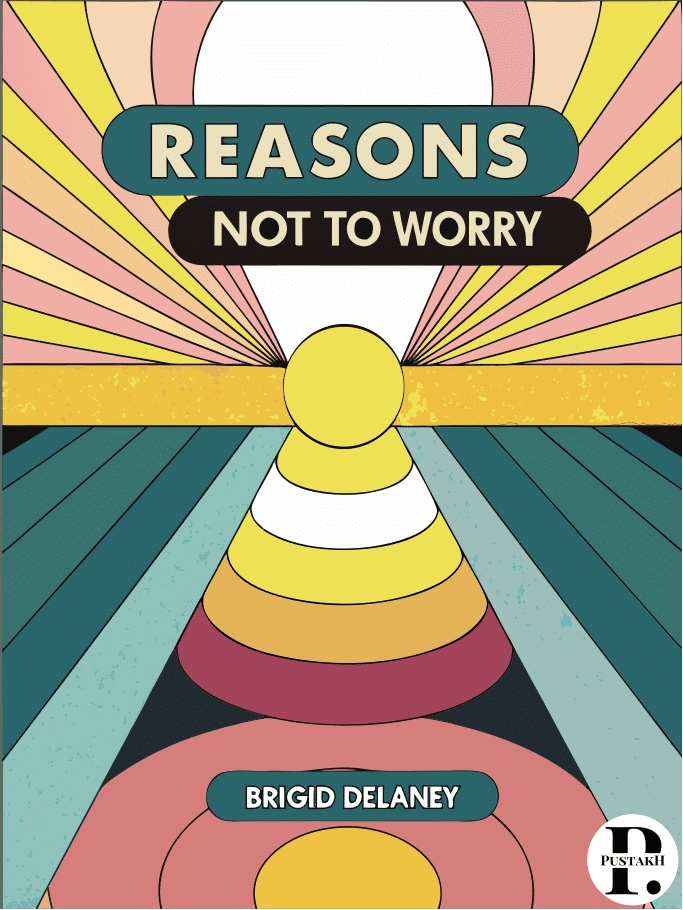
Reasons Not to Worry
by Brigid Delaney
How to be Stoic in Chaotic Times
15
Chapters
75+
Action steps
15
Minutes
PERSONALIZED
Action steps tailored to your goals in the Pustakh app
Preview — Chapter 01: Who Were the Stoics?
Stoicism did not emerge from comfort. It was forged in political chaos, exile, and uncertainty. The historical grounding matters. These were not detached mystics living in isolation. They were emperors, teachers, merchants, and thinkers navigating unstable times. Their philosophy developed not in tranquility but in turbulence. That context makes their ideas strikingly relevant today. The Stoics believed that virtue, not wealth or reputation, defined a good life. External outcomes were unpredictable and often uncontrollable. What remained within reach was character. Courage, justice, wisdom, and temperance formed the backbone of their worldview. Control is limited. Responsibility is not. This distinction reshapes anxiety. If we obsess over outcomes, we become fragile. If we focus on how we show up, we gain steadiness. The Stoics practiced daily reflection, mental rehearsal of hardship, and perspective shifts designed to reduce attachment. They anticipated loss so that when loss arrived, it felt less shocking. They reminded themselves of mortality not to become morbid but to sharpen gratitude. Understanding who they were demystifies the philosophy. It becomes less about abstract doctrine and more about daily discipline. These thinkers were pragmatic. Their ideas endure because they address timeless human vulnerabilities. Fear, ego, comparison, grief. The tools remain remarkably applicable. Their legacy is not rigid doctrine but resilient mindset.
Keep reading on PustakhYou've read the opening. Here's where it gets practical.
The remaining 14 chapters, the full audio summary, and 75+ action steps personalized to your goals unlock with a free 3-day trial.
Start free 3-day trialNo credit card required · Cancel anytime
Reasons Not to Worry summary — FAQ
What will I get from the Reasons Not to Worry summary on Pustakh?
The key ideas of "Reasons Not to Worry" by Brigid Delaney, distilled into a roughly 15-minute read across 15 chapters, plus 75+ personalized action steps built around your goals and an optional audio version.
How long does the Reasons Not to Worry summary take?
About 15 minutes to read the full summary on Pustakh, or you can listen to the audio version.
Does Reasons Not to Worry have an audio summary?
Select Pustakh titles include audio summaries you can play in your browser, and new audio titles are added every week.
Is the Reasons Not to Worry summary free?
You can read the introduction to "Reasons Not to Worry" for free. Full access to every chapter and your personalized action steps is included with a Pustakh subscription. New accounts start with a free 3-day trial — no credit card required.
More Spirituality & Mindfulness summaries
View all





75+ action steps from Reasons Not to Worry, tailored to your goals in Pustakh
- Tailored to your context and what you are working on
- Personalized steps per chapter, not generic checklists
- Read and listen on your schedule—then act with clarity
- Unlock the full library with a simple subscription
We'll set it up as we learn what you're working on.