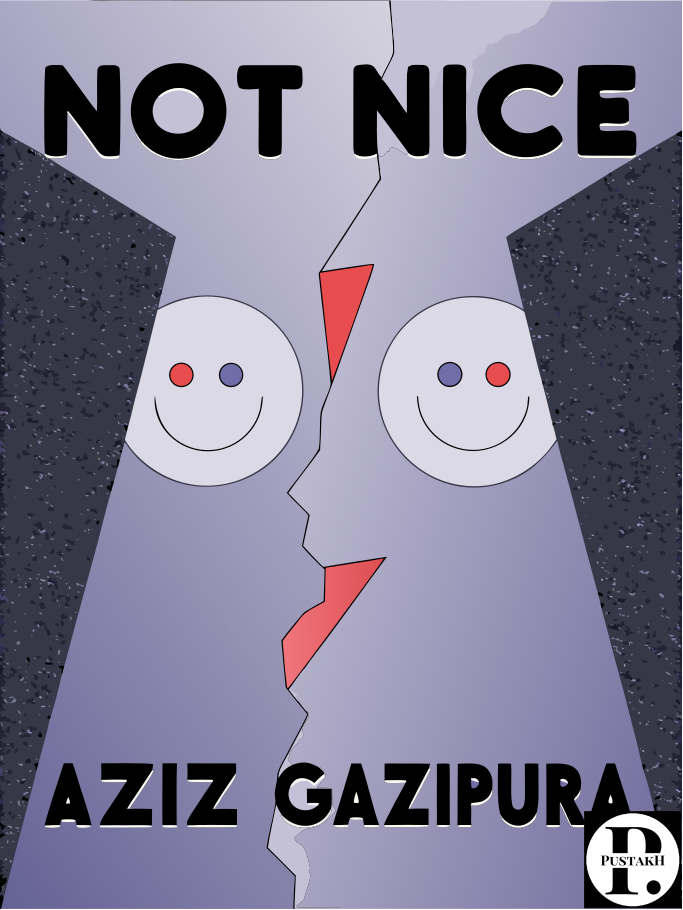
Not Nice
by Aziz Gazipura
Stop People Pleasing, Staying Silent, & Feeling Guilty… And Start Speaking Up, Saying No, Asking Boldly, and Unapologetically Being Yourself
15
Chapters
125+
Action steps
18
Minutes
PERSONALIZED
Action steps tailored to your goals in the Pustakh app
Preview — Chapter 01: Recognize the Hidden Costs of Being Too Nice
There’s a certain kind of exhaustion that comes from always putting others first: the tiredness of constantly managing perceptions, keeping peace, and tiptoeing around disapproval. You convince yourself it’s noble to say yes to everything, to be endlessly accommodating, but beneath the surface, something feels off. You start noticing that your smile feels heavier, your yes feels forced, and your patience feels rehearsed. It’s the fatigue of someone trying to live without ever disappointing anyone. And the unspoken truth is this: the more you say yes to everyone else, the more you quietly abandon yourself. The hidden cost of being too nice is losing your sense of self-worth. You stop trusting your instincts, your preferences, and your emotions. You live on autopilot: agreeing, complying, smoothing things over, until you wake up one day and realize you no longer know what you truly want. Niceness becomes a subtle form of self-erasure. What began as an effort to connect becomes a habit of disappearing. The more approval you seek, the further you drift from authenticity. The very behavior meant to make you lovable ends up making you invisible. There’s also an emotional toll. When you constantly suppress your truth to keep others comfortable, resentment begins to build. You start to feel unseen, taken for granted, even angry at yourself for never speaking up. But that anger doesn’t mean you’re bad; it means your boundaries are begging to be heard. The fear that saying no will make people leave is an illusion; it’s not rejection that hurts most: it’s self-betrayal. Every time you silence yourself, a piece of your confidence slips away. Real connection doesn’t come from being agreeable; it comes from being authentic. You don’t need to be “nice” to be loved. You need to be honest, imperfect, and real. When you start honoring your truth instead of your image, you stop living as a reflection of others’ expectations and begin standing in your own. The price of pretending is too high, and freedom begins the moment you decide you’re done paying it.
Keep reading on PustakhYou've read the opening. Here's where it gets practical.
The remaining 14 chapters, the full audio summary, and 125+ action steps personalized to your goals unlock with a free 3-day trial.
Start free 3-day trialNo credit card required · Cancel anytime
Not Nice summary — FAQ
What will I get from the Not Nice summary on Pustakh?
The key ideas of "Not Nice" by Aziz Gazipura, distilled into a roughly 15-minute read across 15 chapters, plus 125+ personalized action steps built around your goals and an optional audio version.
How long does the Not Nice summary take?
About 18 minutes to read the full summary on Pustakh, or you can listen to the audio version.
Does Not Nice have an audio summary?
Select Pustakh titles include audio summaries you can play in your browser, and new audio titles are added every week.
Is the Not Nice summary free?
You can read the introduction to "Not Nice" for free. Full access to every chapter and your personalized action steps is included with a Pustakh subscription. New accounts start with a free 3-day trial — no credit card required.
More Personal Development summaries
View all


125+ action steps from Not Nice, tailored to your goals in Pustakh
- Tailored to your context and what you are working on
- Personalized steps per chapter, not generic checklists
- Read and listen on your schedule—then act with clarity
- Unlock the full library with a simple subscription
We'll set it up as we learn what you're working on.