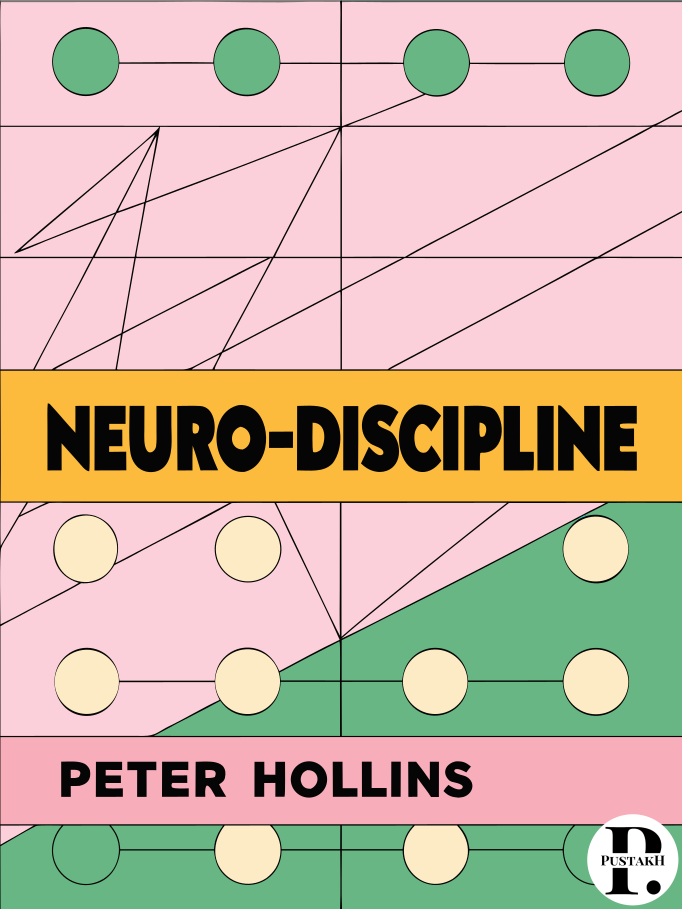
Neuro-Discipline
by Peter Hollins
Everyday Neuroscience for Self-Discipline, Focus, and Defeating Your Brain’s Impulsive and Distracted Nature
5
Chapters
42+
Action steps
8
Minutes
PERSONALIZED
Action steps tailored to your goals in the Pustakh app
Preview — Chapter 01: The Neuroscience of Self-Discipline
Self-discipline begins with understanding the internal conflict built into the brain. One system seeks comfort, familiarity, and immediate relief. Another values planning, restraint, and long-term benefit. Every act of discipline is a negotiation between these two forces. The faster system dominates under stress, fatigue, or emotional intensity. This is why discipline feels hardest when life is already demanding. The slower system requires energy, clarity, and calm to function well. Expecting it to win during exhaustion sets up inevitable failure. The idea of sacrifice is explored deeply. Discipline always involves giving something up, but the brain resists loss far more than it values gain. When discipline is framed as deprivation, resistance increases. When it is framed as intentional exchange, compliance improves. The brain also struggles with distant rewards. Abstract future benefits cannot compete with immediate comfort unless they are made emotionally vivid. This explains why meaningful goals lose urgency in the moment. Understanding these mechanisms restores dignity. Discipline failures are not moral defects. They are signals that strategies must align better with neurological reality.
Keep reading on PustakhYou've read the opening. Here's where it gets practical.
The remaining 4 chapters, the full audio summary, and 42+ action steps personalized to your goals unlock with a free 3-day trial.
Start free 3-day trialNo credit card required · Cancel anytime
Neuro-Discipline summary — FAQ
What will I get from the Neuro-Discipline summary on Pustakh?
The key ideas of "Neuro-Discipline" by Peter Hollins, distilled into a roughly 15-minute read across 5 chapters, plus 42+ personalized action steps built around your goals and an optional audio version.
How long does the Neuro-Discipline summary take?
About 8 minutes to read the full summary on Pustakh, or you can listen to the audio version.
Does Neuro-Discipline have an audio summary?
Select Pustakh titles include audio summaries you can play in your browser, and new audio titles are added every week.
Is the Neuro-Discipline summary free?
You can read the introduction to "Neuro-Discipline" for free. Full access to every chapter and your personalized action steps is included with a Pustakh subscription. New accounts start with a free 3-day trial — no credit card required.
More Mindset & Psychology summaries
View all

42+ action steps from Neuro-Discipline, tailored to your goals in Pustakh
- Tailored to your context and what you are working on
- Personalized steps per chapter, not generic checklists
- Read and listen on your schedule—then act with clarity
- Unlock the full library with a simple subscription
We'll set it up as we learn what you're working on.