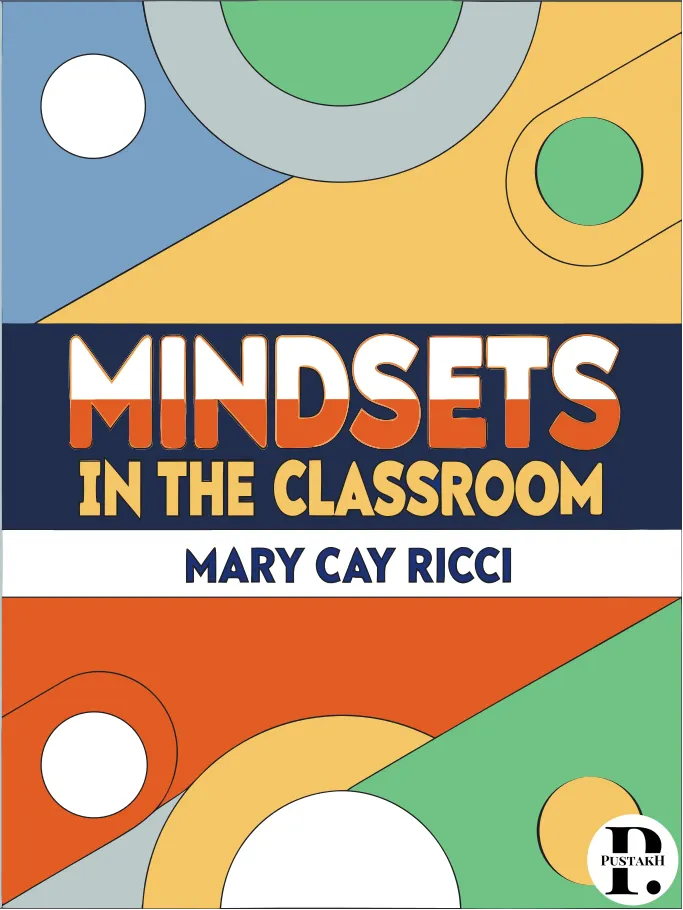
Mindsets in the Classroom
by Mary Cay Ricci
Building a Growth Mindset Learning Community
9
Chapters
69+
Action steps
18
Minutes
PERSONALIZED
Action steps tailored to your goals in the Pustakh app
Preview — Chapter 01: What Are Mindsets, and How Do They Affect the Classroom?
The idea of mindset becomes clearer when you start noticing the subtle ways beliefs influence behavior, especially in a school setting where challenges show up almost every day. Fixed mindset tends to whisper that abilities are limited and permanent, while growth mindset encourages the belief that effort builds understanding over time. These two perspectives play a bigger role than most people realize, and they affect everything from how you handle a tough math problem to how confident you feel raising your hand in class. When you believe you can improve, you’re far more likely to take risks, ask questions, and try again after a setback. You might see mindset at work in simple everyday situations. Someone with a fixed mindset might avoid a project that seems too complicated because they fear looking slow or confused. Someone with a growth mindset might step into the same project with curiosity, expecting to learn something even if it’s difficult. That shift in approach affects your day more than you think. It influences how you study, how you respond to corrections, and how you talk to yourself when you’re struggling. Small moments become important because they reflect what you believe about your own ability to grow. This concept doesn’t just shape individuals - it influences the entire classroom environment. When students think improvement is possible, the room feels more open, more creative, and more accepting of mistakes. People feel safer taking chances, experimenting, or asking questions without worrying about being judged. Teachers notice this energy and respond by designing lessons that encourage exploration rather than perfection. A growth-oriented classroom becomes a place where effort is recognized, strategy matters, and learning feels active rather than pressured. When mindset becomes a conscious part of how you learn, school stops being a performance and becomes a journey - one where curiosity, persistence, and reflection guide your progress far more than innate talent ever could.
Keep reading on PustakhYou've read the opening. Here's where it gets practical.
The remaining 8 chapters, the full audio summary, and 69+ action steps personalized to your goals unlock with a free 3-day trial.
Start free 3-day trialNo credit card required · Cancel anytime
Mindsets in the Classroom summary — FAQ
What will I get from the Mindsets in the Classroom summary on Pustakh?
The key ideas of "Mindsets in the Classroom" by Mary Cay Ricci, distilled into a roughly 15-minute read across 9 chapters, plus 69+ personalized action steps built around your goals and an optional audio version.
How long does the Mindsets in the Classroom summary take?
About 18 minutes to read the full summary on Pustakh, or you can listen to the audio version.
Does Mindsets in the Classroom have an audio summary?
Select Pustakh titles include audio summaries you can play in your browser, and new audio titles are added every week.
Is the Mindsets in the Classroom summary free?
You can read the introduction to "Mindsets in the Classroom" for free. Full access to every chapter and your personalized action steps is included with a Pustakh subscription. New accounts start with a free 3-day trial — no credit card required.
More Kids & Growth summaries
View all
Being You
by Catharine Hannay
Do Hard Things
by Alex & Brett Harris
Just As You Are
by Michelle Skeen & Kelly Skeen
The 6 Most Important Decisions You'll Ever Make
by Sean Covey
The 7 Habits of Happy Kids
by Sean Covey
The 7 Habits of Highly Effective Teens
by Sean Covey
69+ action steps from Mindsets in the Classroom, tailored to your goals in Pustakh
- Tailored to your context and what you are working on
- Personalized steps per chapter, not generic checklists
- Read and listen on your schedule—then act with clarity
- Unlock the full library with a simple subscription
We'll set it up as we learn what you're working on.