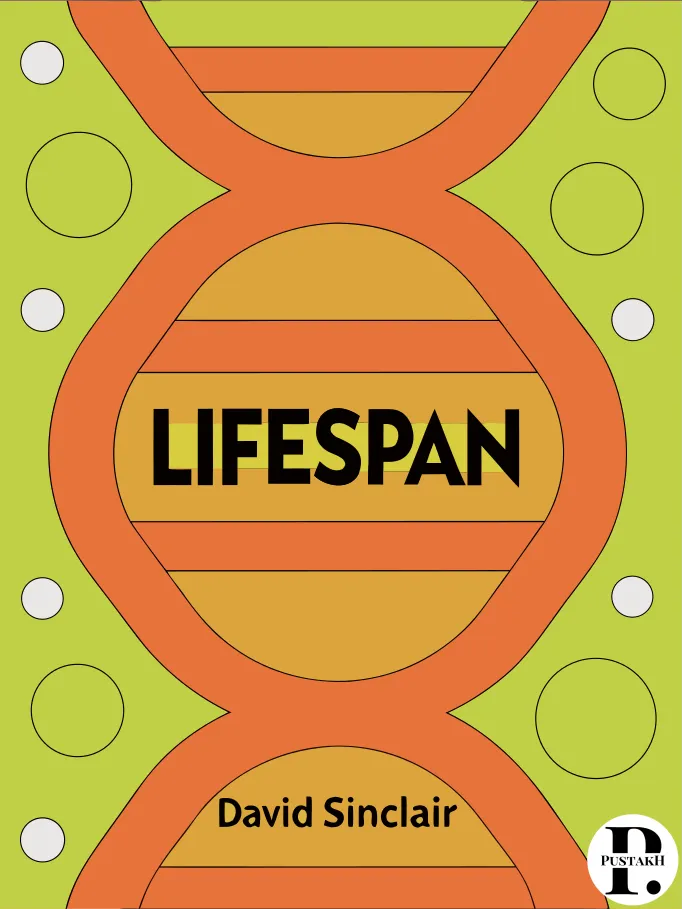
Lifespan
by David Sinclair
Why We Age - and Why We Don’t Have To
10
Chapters
56+
Action steps
20
Minutes
PERSONALIZED
Action steps tailored to your goals in the Pustakh app
Preview — Chapter 01: A Grandmother’s Prayer
The journey into longevity begins not in a lab, but with a memory. It opens with the story of a grandmother - a woman who survived genocide, built a new life in a foreign land, and instilled a fierce belief in the value of time. Her quiet strength becomes the spark that drives the pursuit of longer, healthier lives - not for vanity, but for love, legacy, and meaning. Aging isn’t just a scientific question. It’s deeply personal. The pain of watching loved ones fade, the helplessness in the face of decline, and the fear of becoming dependent - these are universal experiences. But what if these weren’t inevitable? What if aging didn’t have to strip away dignity, memory, or connection? That’s the foundational idea: aging should be treated not as a natural process, but as a condition - one that can be studied, slowed, and ultimately changed. Disease after disease is linked to aging, yet we treat each one separately while ignoring the root cause. Instead of patching symptoms, the call is to treat aging itself as the root pathology. This mindset shift begins with questioning everything: Why do we accept frailty as normal? Why do we prepare for decline instead of defying it? Why do we spend billions trying to cure diseases that are downstream from aging, when the upstream solution may lie in understanding why cells age in the first place? Embedded in this reflection is a moral imperative. Increasing healthspan - years lived with vitality, not just survival - isn’t about vanity or luxury. It’s about fairness. Those who suffer most from aging-related diseases often have the least access to care. Extending the period of strong, independent life could ease personal suffering, reduce healthcare burdens, and empower generations to contribute longer and love deeper. The past accepted aging as fate. The present is beginning to question it. And the future may see it as a challenge already solved. But for those holding the hands of aging parents or watching vibrant elders fade, this isn’t just theory - it’s urgent, emotional, and deeply human. The prayer of every grandparent, parent, and child is the same: more time - not just in years, but in strength, joy, and clarity. And now, for the first time, that prayer may have an answer.
Keep reading on PustakhYou've read the opening. Here's where it gets practical.
The remaining 9 chapters, the full audio summary, and 56+ action steps personalized to your goals unlock with a free 3-day trial.
Start free 3-day trialNo credit card required · Cancel anytime
Lifespan summary — FAQ
What will I get from the Lifespan summary on Pustakh?
The key ideas of "Lifespan" by David Sinclair, distilled into a roughly 15-minute read across 10 chapters, plus 56+ personalized action steps built around your goals and an optional audio version.
How long does the Lifespan summary take?
About 20 minutes to read the full summary on Pustakh, or you can listen to the audio version.
Does Lifespan have an audio summary?
Select Pustakh titles include audio summaries you can play in your browser, and new audio titles are added every week.
Is the Lifespan summary free?
You can read the introduction to "Lifespan" for free. Full access to every chapter and your personalized action steps is included with a Pustakh subscription. New accounts start with a free 3-day trial — no credit card required.
More Health & Wellness summaries
View all

56+ action steps from Lifespan, tailored to your goals in Pustakh
- Tailored to your context and what you are working on
- Personalized steps per chapter, not generic checklists
- Read and listen on your schedule—then act with clarity
- Unlock the full library with a simple subscription
We'll set it up as we learn what you're working on.