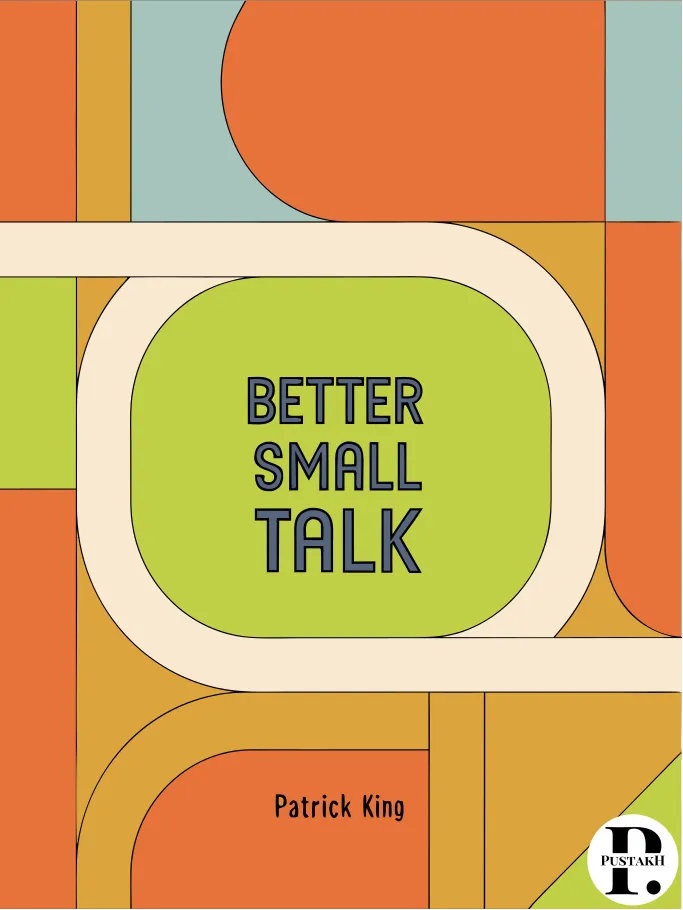
Better Small Talk
by Patrick King
Talk to Anyone, Avoid Awkwardness, Generate Deep Conversations, and Make Real Friends
6
Chapters
47+
Action steps
11
Minutes
PERSONALIZED
Action steps tailored to your goals in the Pustakh app
Preview — Chapter 01: Ugh, Small Talk
This piece begins by acknowledging what most people feel but rarely say out loud: small talk feels uncomfortable, artificial, and often pointless. Rather than dismissing that discomfort, it explores where it comes from. The awkwardness is not caused by talking itself, but by unclear intention and unrealistic expectations. Many people enter conversations hoping to skip straight to something meaningful. When that does not happen immediately, frustration sets in. The problem is not small talk, but impatience. Small talk is not meant to impress or entertain. Its real job is to test safety, warmth, and mutual interest. The discussion reframes casual exchanges as emotional calibration. People subconsciously ask questions like: Is this person friendly? Are they judging me? Do I feel relaxed here? When those questions are answered positively, conversation naturally deepens. Without emotional safety, depth feels invasive . This shift in perspective changes how you show up. Instead of trying to say the perfect thing, attention moves toward creating ease. Simple observations, shared context, and light curiosity do more work than clever lines ever could. When the pressure to be interesting disappears, presence takes its place. Another important idea explored is neutrality. Small talk does not require strong opinions or personal revelations. In fact, neutral ground is what allows both people to step forward gradually. Treating these early moments as low-stakes removes fear of judgment and rejection. The main insight is that small talk is successful when it feels comfortable, not impressive. Once you stop fighting its purpose, it becomes easier to participate without resistance. What once felt shallow starts to feel functional, and awkwardness begins to soften into connection. When this mindset clicks, conversations stop feeling like obstacles. They start to feel like invitations.
Keep reading on PustakhYou've read the opening. Here's where it gets practical.
The remaining 5 chapters, the full audio summary, and 47+ action steps personalized to your goals unlock with a free 3-day trial.
Start free 3-day trialNo credit card required · Cancel anytime
Better Small Talk summary — FAQ
What will I get from the Better Small Talk summary on Pustakh?
The key ideas of "Better Small Talk" by Patrick King, distilled into a roughly 15-minute read across 6 chapters, plus 47+ personalized action steps built around your goals and an optional audio version.
How long does the Better Small Talk summary take?
About 11 minutes to read the full summary on Pustakh, or you can listen to the audio version.
Does Better Small Talk have an audio summary?
Select Pustakh titles include audio summaries you can play in your browser, and new audio titles are added every week.
Is the Better Small Talk summary free?
You can read the introduction to "Better Small Talk" for free. Full access to every chapter and your personalized action steps is included with a Pustakh subscription. New accounts start with a free 3-day trial — no credit card required.
More Relationships & Social Skills summaries
View all
47+ action steps from Better Small Talk, tailored to your goals in Pustakh
- Tailored to your context and what you are working on
- Personalized steps per chapter, not generic checklists
- Read and listen on your schedule—then act with clarity
- Unlock the full library with a simple subscription
We'll set it up as we learn what you're working on.